
Tariffs are a bit like building a wall around your garden - they can protect what's growing inside from the rabbits and coyotes. But walls alone won't help your plants thrive. You still need to plant the seeds and water the garden. For U.S. industry, that means strong domestic manufacturing and...
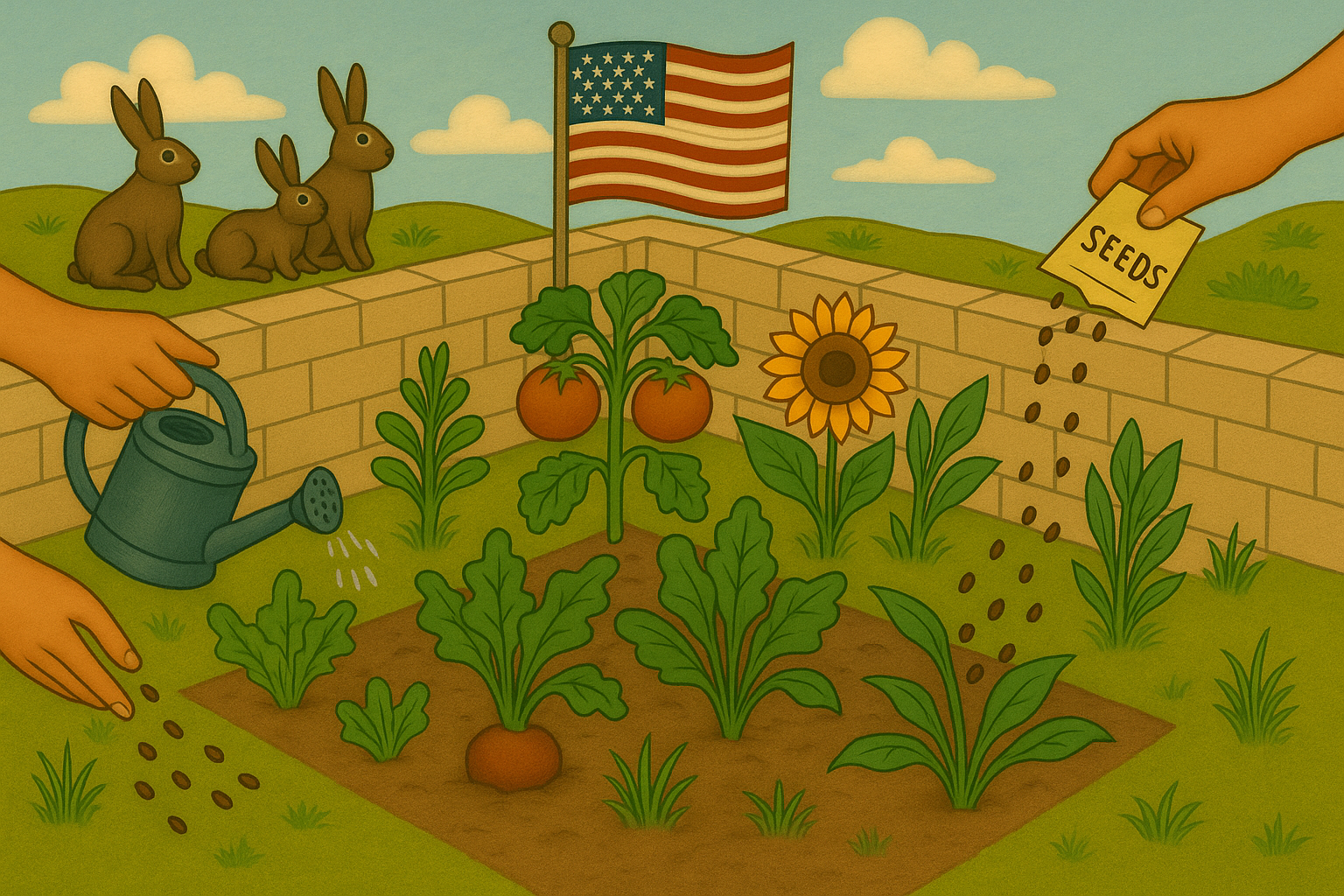
Tariffs are a bit like building a wall around your garden - they can protect what's growing inside from the rabbits and coyotes. But walls alone won't help your plants thrive. You still need to plant the seeds and water the garden. For U.S. industry, that means strong domestic manufacturing and production incentives are imperative to reindustrializing America.
Rebuilding America's industrial base requires an approach that goes beyond protective tariffs. To create lasting industrial resilience, we need a three-part strategy: first, incentives to build new production capacity; second, mechanisms to sustain operations through unpredictable market conditions; and third, programs to develop the advanced manufacturing workforce. Each part addresses a critical challenge in the manufacturing lifecycle, from initial scale-up to long-term operation and talent development.
These incentives directly address the "valley of death" between pilot projects and industrial scale production. By reducing financial risk during the capital-intensive phase of scaling, incentives create a bridge across the "missing middle" of capital that often prevents promising technologies from reaching commercial viability.
What works to build manufacturing infrastructure:
These mechanisms limit the variability manufacturers need to endure to make long-term investments. They respond directly to the challenge highlighted by a recent House Energy and Commerce Committee proposal that would roll back $6.5 billion in unspent funds intended to support domestic manufacturing stability.
What works to stabilize manufacturing in volatile markets:
A recent NPR Planet Money investigation revealed a troubling paradox: despite reshoring efforts, many manufacturing positions remain unfilled due to skills gaps. Without addressing this third phase of manufacturing incentives, new production capacity and operational stability will be hamstrung by workforce shortages.
What works to build manufacturing talent:
The timing for implementing this three-part strategy couldn't be more critical. Current proposals in Congress would eliminate significant portions of manufacturing support across all three phases by rescinding unobligated funds for the Department of Energy's Loan Programs Office and clean manufacturing grants. According to the Department of Energy's Deputy Secretary David Turk, "Dozens and dozens of job-creating potential loans all across our country will be compromised if what's proposed is ultimately enacted." This would impact not just capacity building, but also operational stability and workforce development.
The keystone for America's industrial future will be a comprehensive strategy that addresses each critical challenge: building production capacity, sustaining operations through market volatility, and developing the skilled workforce needed for advanced manufacturing. By approaching these challenges systematically rather than piecemeal, we can create the conditions for a sustainable industrial renaissance. The question isn't whether we need incentives - it's how we can implement a coordinated strategy that effectively rebuilds America's industrial backbone for a dynamic future.

.png)

Interviews, essays and the newsletter. Free, every two-ish weeks, and easy to leave.
