
Overheard at Solving for Scale Summit: Navigating Tariff Uncertainty Attending the MIT & NextGen ‘Solving for Scale’ summit at the end of January in Cambridge provided a window into the evolving challenges advanced manufacturing supply chain leaders are facing. The predictability of the past is...
Overheard at Solving for Scale Summit: Navigating Tariff Uncertainty
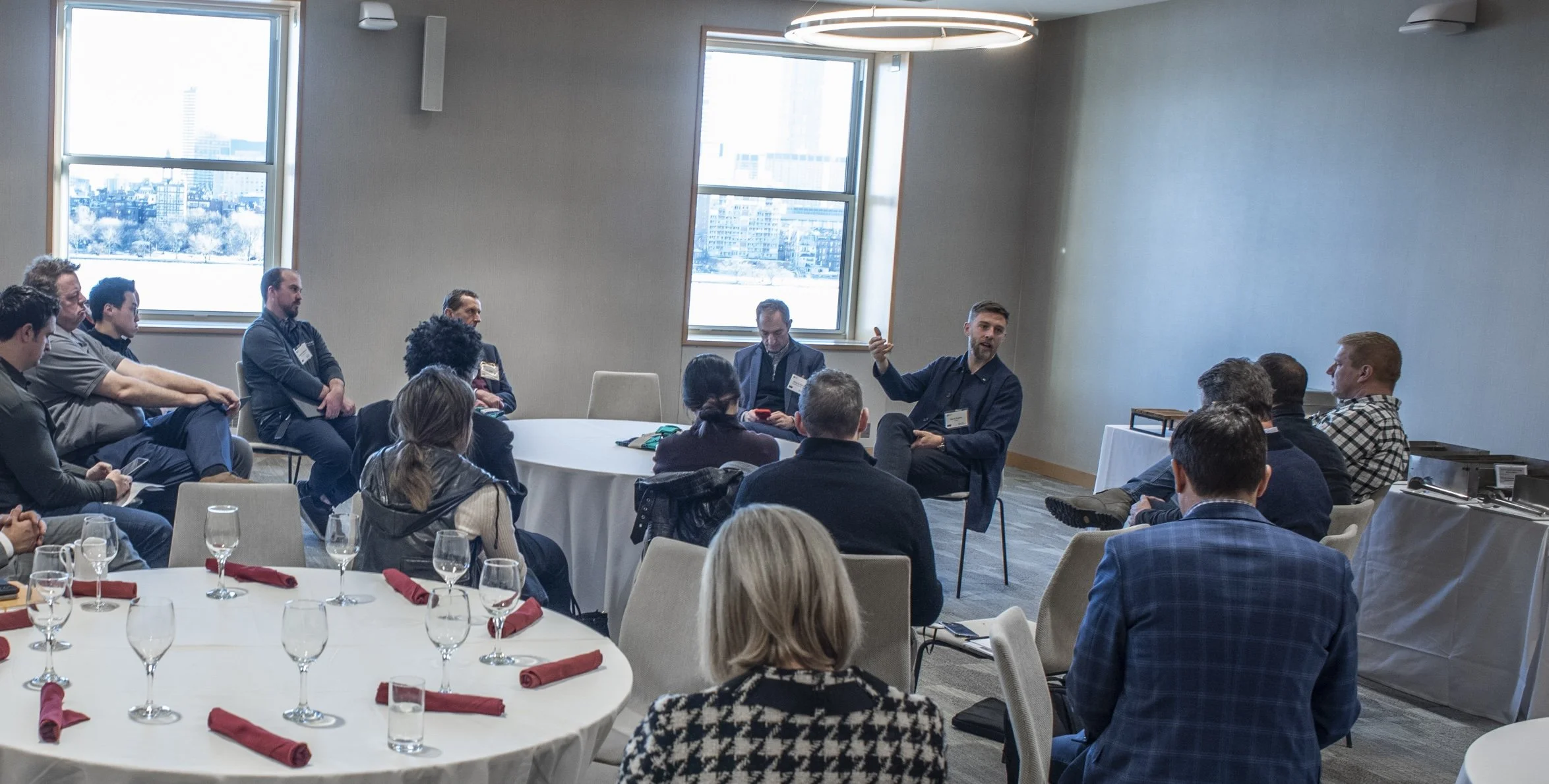
Attending the MIT & NextGen ‘Solving for Scale’ summit at the end of January in Cambridge provided a window into the evolving challenges advanced manufacturing supply chain leaders are facing. The predictability of the past is no longer a given. As I participated in working sessions with CEOs and operational experts the same question kept coming up “How do we deal with all these new tariffs?”
It has become clear to me that manufacturing operations must pivot to a mindset of flexibility and resilience in order to thrive in this era. When I hear about a new proposed tariff, here is my thinking process. Then below, I provide 5 concrete tactics businesses can use to respond to tariff pressures on their supply chain.
[caption id="" align="alignnone" width="6000"]
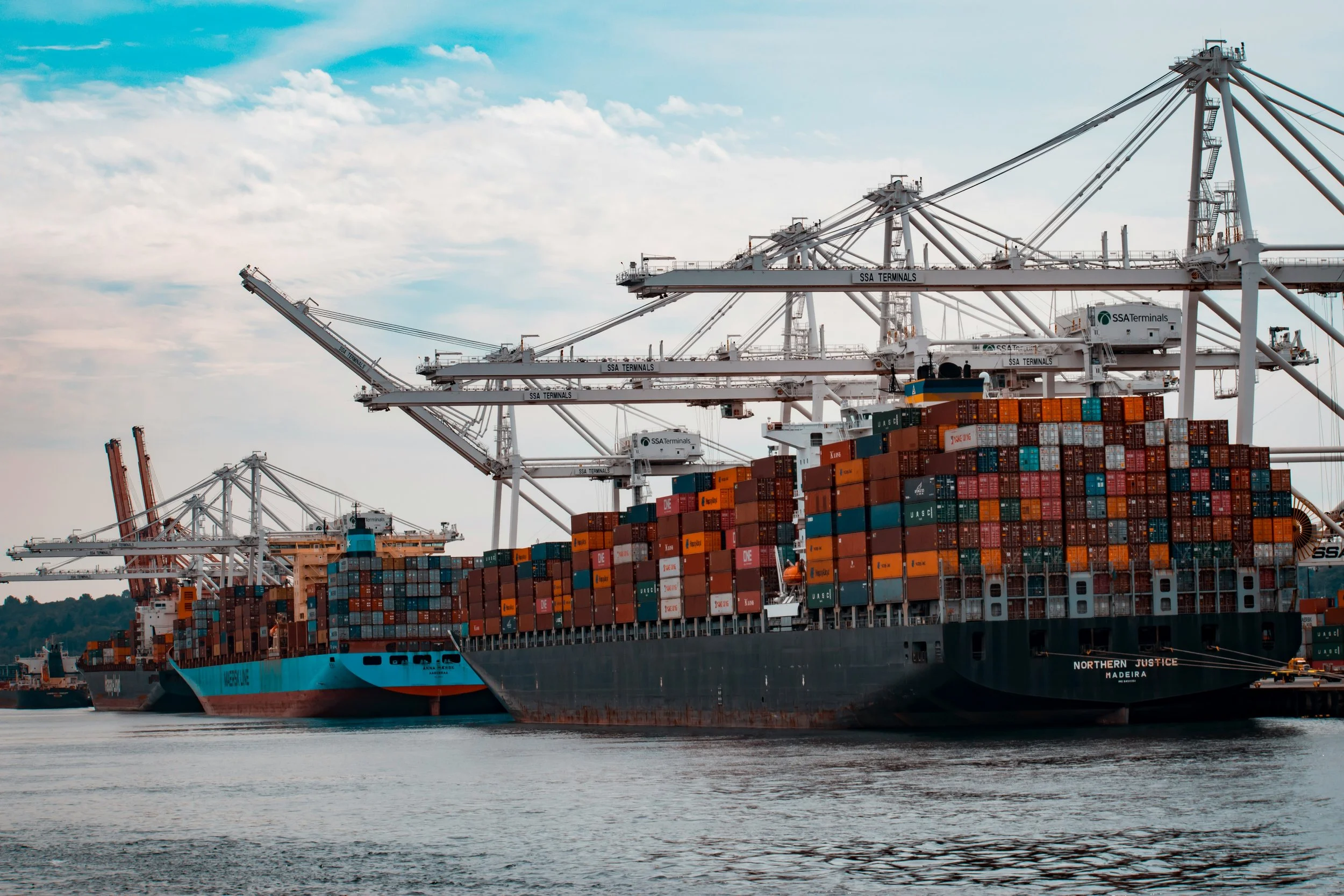
Photo by Andy Li on Unsplash [/caption]
Embracing a New Era of Uncertainty
For much of the last 30 years, the global supply chain enjoyed a period of remarkable predictability. Transit times were stable, lead times for components were reliable, and cost reductions were the norm. However, today's landscape is markedly different. Uncertainty now reigns—not only because of fluctuating market dynamics but also due to a dynamic geopolitical environment. With tariffs looming as both real and potential threats, the days of a "set and forget" supply chain are over.
However, just because you hear about a new potential tariff doesn’t mean you should take immediate actions. Tariffs have become more of a negotiation tactic than a trade protection measure. For example, recent discussions revealed that tariffs touted by governments may not always materialize or could be temporary tools leveraged during negotiations. This was evident in the cases of Canada and Mexico, where 25% tariffs were proposed and then postponed. I’m a fan of Jason Calacanis’ ‘72 Hour Trump Rule’ – don’t respond to the first tariff announcement, wait and see what actions actually take place. Unfortunately, this additional uncertainty renders traditional optimization models ineffective.
[caption id="" align="alignnone" width="3763"]
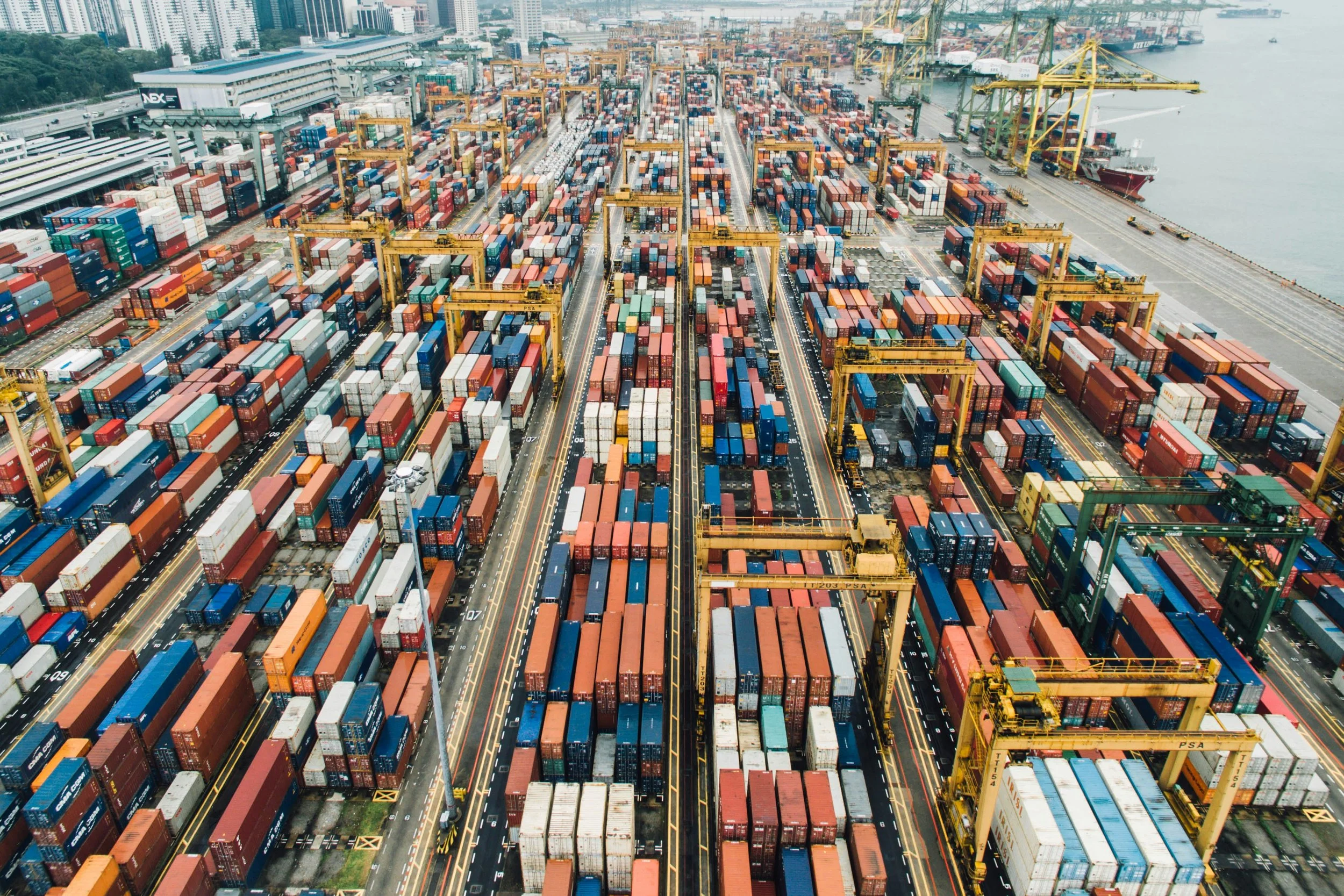
Photo by Andy Li on Unsplash [/caption]
Designing Flexibility into the Supply Chain
Given the dynamic environment, the key to success is no longer just about optimization but also about designing flexibility into your supply chain. The goal is to ensure that operations continue smoothly and that companies can swiftly adapt to new challenges, avoiding the worst outcomes. Strengthening and diversifying supplier relationships is critical, and companies must also consider innovative strategies to mitigate the financial impact of tariffs.
A Five-Point Strategy to Mitigate Tariffs
One approach shared during a breakout session at MIT, and championed by experts at Fictv, is a five-point strategy designed to help companies navigate tariff-related challenges:
Conclusion: Building Resilience in Uncertain Times
As the era of tariff uncertainty continues, the most resilient supply chains will be those that can adapt to rapid changes. The key lies in integrating technical and institutional expertise—whether by cultivating in-house knowledge or partnering with seasoned professionals who understand the complexities of international trade and tariffs. By embracing flexibility, rethinking traditional cost optimization, and implementing strategies like first sale, tariff engineering, strategic sourcing based on country of origin, FTZ utilization, and duty drawback, advanced manufacturing operations can safeguard their competitiveness in a turbulent market.

.png)

Interviews, essays and the newsletter. Free, every two-ish weeks, and easy to leave.
